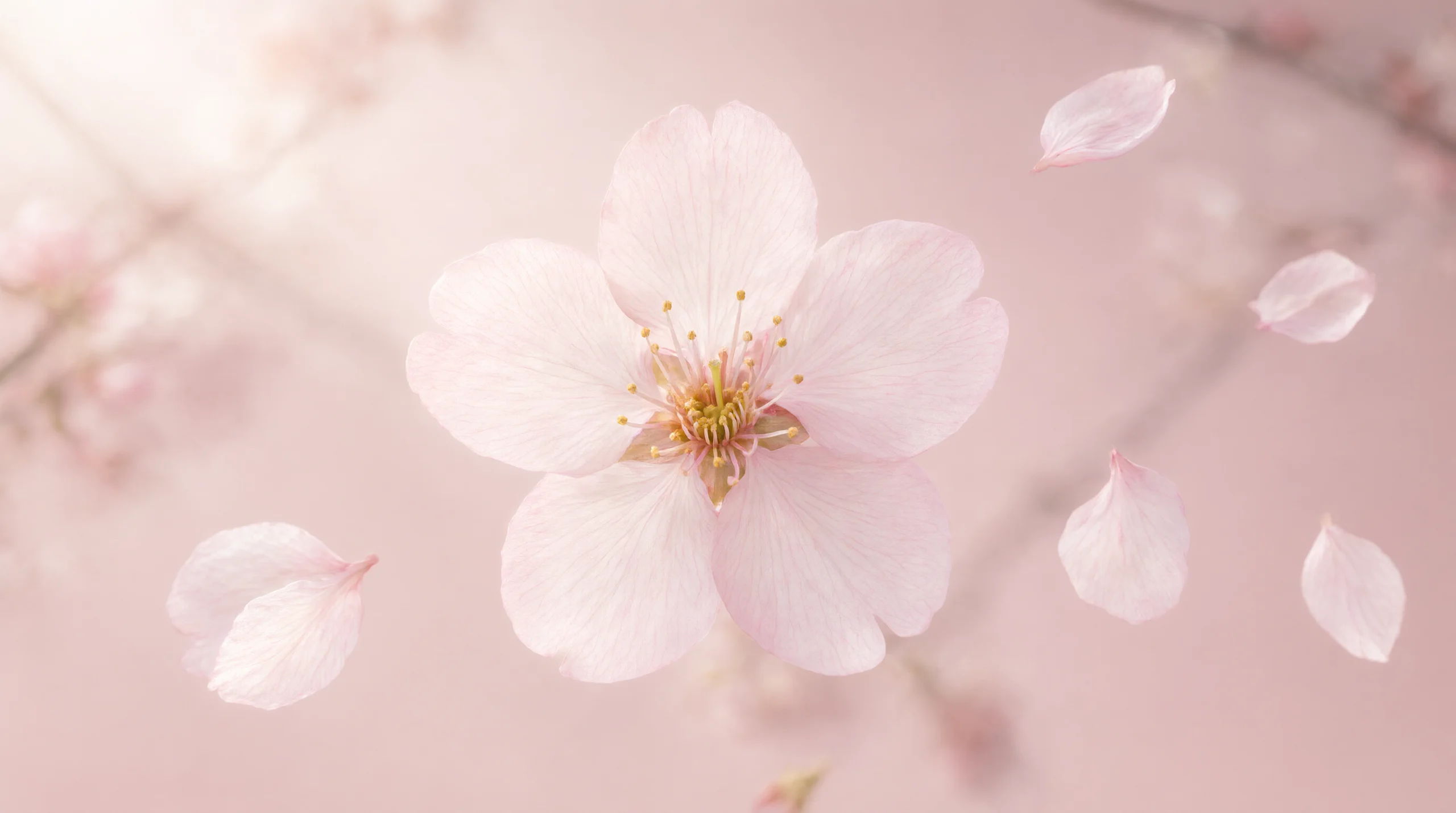
The sakura emoji 🌸 represents cherry blossoms, springtime, beauty, renewal, and the fleeting nature of life. Inspired by the delicate pink flowers that bloom on cherry trees, this emoji is popular in messages, social media captions, aesthetic posts, and conversations about Japan. People use it to express happiness, appreciation for nature, gentle affection, and the excitement of a fresh start.
If you want to understand what 🌸 means in a text, discover its cultural significance, or find creative ways to use it online, this guide explains everything you need to know about the sakura emoji.
Quick Answer: What Does the Sakura Emoji 🌸 Mean?
The sakura emoji 🌸 depicts a pink cherry blossom flower. It commonly symbolizes spring, beauty, renewal, love for nature, and the Japanese tradition of appreciating cherry blossoms.
Here is a quick overview:
- Emoji: 🌸
- Common name: Cherry Blossom Emoji
- Japanese name: Sakura (桜)
- Main meanings: Spring, beauty, renewal, and nature
- Popular uses: Text messages, Instagram captions, TikTok posts, and aesthetic content
- Typical tone: Soft, cheerful, peaceful, and positive
- Common combinations: 🌸✨, 🌸💕, 🌸🌷, and 🌸🦋
The meaning can change slightly depending on the conversation. For example, 🌸 might represent a beautiful spring day in one message and a cute, affectionate feeling in another.
What Is the Sakura Emoji?
The sakura emoji 🌸 is a digital representation of a cherry blossom, a flower strongly associated with Japan and the arrival of spring.
Cherry blossoms are famous for their soft pink or white petals and their relatively short blooming period. When these trees bloom, parks, streets, and gardens can become covered in beautiful flowers.
The emoji captures this delicate appearance in a simple symbol that people can use across digital platforms.
Although it is commonly called the sakura emoji, its official English name is generally listed as the cherry blossom emoji.
What Does Sakura Mean in Japanese?
The Japanese word sakura (桜 or さくら) means cherry blossom or cherry tree, depending on the context.
Sakura flowers hold a special place in Japanese culture. They are associated with spring, beauty, renewal, and the temporary nature of life.
In Japan, people often gather with friends, relatives, or colleagues to enjoy cherry blossoms during a tradition called hanami, which means flower viewing.
Because of these associations, 🌸 can communicate more than the appearance of a flower. It can also suggest peaceful moments, appreciation for nature, and the beauty of experiences that do not last forever.
Sakura Emoji Meaning in Different Situations
The sakura emoji does not have just one meaning. Its interpretation depends on who sends it, what the conversation is about, and which other emojis appear alongside it.
Here are its most common meanings.
1. Spring and New Beginnings
Cherry blossoms bloom during spring, making 🌸 a natural symbol of seasonal change and fresh beginnings.
People use it when discussing:
- The arrival of spring.
- Warmer weather and sunny days.
- New goals or personal plans.
- Starting a new job or school year.
- A fresh chapter in life.
Example:
“New season, new beginnings 🌸✨”
In this example, the emoji adds a hopeful and optimistic feeling to the message.
2. Beauty and Elegance
The soft petals of cherry blossoms make the emoji a popular choice for expressing beauty, delicacy, and elegance.
It frequently appears in fashion posts, skincare content, photography, and decorative captions.
Example:
“Everything looks prettier in spring 🌸🤍”
Here, the flower emphasizes the beauty and peaceful atmosphere of the moment.
3. Love and Affection
The sakura emoji can communicate affection, warmth, and appreciation.
Someone might include it in a message to a friend, partner, family member, or person they admire. However, it does not automatically indicate romantic interest.
Example:
“You’re such a lovely person 🌸💕”
The combination expresses warmth and appreciation without necessarily suggesting romance.
4. Peace and Calmness
Flowers often evoke quiet gardens, gentle weather, and relaxing outdoor moments.
For this reason, 🌸 can help create a calm, peaceful mood in a message.
Example:
“Taking a little time for myself today 🌸🍵”
This message suggests relaxation and enjoying a quiet moment.
5. Japanese Culture and Aesthetics
The sakura emoji is strongly associated with Japan because cherry blossoms are an important part of Japanese seasonal traditions.
People use it when discussing Japanese gardens, traditional art, travel, anime, Japanese food, or cherry blossom festivals.
Example:
“Dreaming of visiting Japan during cherry blossom season 🇯🇵🌸”
The emoji adds a clear visual connection to Japanese springtime.
6. Temporary Beauty and Life’s Special Moments
Cherry blossoms usually remain in bloom for a limited period. Their short-lived beauty has made them a symbol of life’s temporary nature.
Some people use 🌸 to express appreciation for memories, relationships, or moments that should be enjoyed while they last.
Example:
“Enjoy the little moments because they don’t last forever 🌸”
This interpretation is especially meaningful in reflective captions and thoughtful messages.
Sakura Emoji Copy and Paste
You can copy the sakura emoji below and use it in your favorite messaging app or social media platform.
Sakura emoji: 🌸
Copy these combinations:
- 🌸✨
- 🌸💕
- 🌸🤍
- 🌸🌷
- 🌸🦋
- 🌸🍃
- 🌸🌞
- 🌸💗
- 🌸🌸🌸
- 🇯🇵🌸
You can paste the emoji into text messages, Instagram captions, TikTok descriptions, Facebook posts, WhatsApp chats, emails, and other places that support emoji characters.
The emoji usually appears as a small pink flower, although its exact appearance varies by device, operating system, application, and font.
How to Use the Sakura Emoji on Social Media
The sakura emoji is particularly useful when you want your message to feel gentle, cheerful, decorative, or connected to nature.
Sakura Emoji for Instagram
On Instagram, 🌸 works well in captions about travel, fashion, spring outfits, flowers, and everyday moments.
Examples:
- “Chasing beautiful little moments 🌸✨”
- “Spring looks good on everyone 🌸🤍”
- “Soft colors and peaceful days 🌸🦋”
- “A little sunshine, a little happiness 🌸☀️”
- “Blooming at my own pace 🌸🌱”
You can also place the emoji beside a short caption to give a photo a softer visual style.
For example, a photograph of a pink outfit, a flower garden, or a sunny outdoor café might pair naturally with 🌸.
Sakura Emoji for TikTok
On TikTok, the emoji can complement aesthetic videos, lifestyle content, travel clips, and spring-themed edits.
Examples:
- “POV: Everything feels magical in spring 🌸”
- “Your reminder to slow down and enjoy life 🌸✨”
- “A little pink makes everything better 🌸💕”
- “Romanticizing the little things 🌸🫶”
It can also appear in video descriptions about Japanese culture, anime-inspired outfits, or cherry blossom locations.
Sakura Emoji for WhatsApp and Text Messages
In private conversations, 🌸 can make a simple message feel warmer and more expressive.
Examples:
Wishing someone a nice day:
“Hope your day is full of beautiful moments 🌸”
Complimenting a friend:
“You always bring such positive energy 🌸💗”
Sharing spring excitement:
“Finally, the weather is getting warmer! 🌸☀️”
Sending a gentle greeting:
“Good morning! Wishing you a peaceful day 🌸✨”
These examples show how the emoji can add personality without changing the basic meaning of the message.
Sakura Emoji Combinations and Their Meanings
Pairing 🌸 with another emoji can make its intended meaning clearer.
| Emoji Combination | Common Meaning | Best Use |
| 🌸✨ | Beauty, magic, or something special | Aesthetic captions |
| 🌸💕 | Affection and sweetness | Messages to friends or loved ones |
| 🌸🤍 | Purity, simplicity, or gentle beauty | Minimalist captions |
| 🌸🦋 | Transformation and growth | Personal milestones |
| 🌸🍃 | Nature and peaceful surroundings | Garden and outdoor photos |
| 🌸🌷 | Flowers and springtime | Floral posts |
| 🌸☀️ | Warm weather and happiness | Sunny-day captions |
| 🌸🌙 | Soft, dreamy aesthetics | Evening posts |
| 🇯🇵🌸 | Japan and cherry blossom season | Travel content |
| 🌸🌱 | Growth and fresh beginnings | Motivational messages |
| 🌸🥹 | Emotional appreciation or being touched | Heartfelt moments |
| 🌸🫶 | Love, support, and appreciation | Friendly or affectionate messages |
These interpretations are suggestions rather than fixed definitions. The surrounding message always matters.
Sakura Emoji vs. Other Flower Emojis
Several flower emojis can look similar, but they communicate slightly different ideas.
Understanding these differences can help you choose the most appropriate symbol for your message.
| Emoji | Common Name | Typical Meaning |
| 🌸 | Cherry Blossom | Spring, delicate beauty, renewal |
| 🌺 | Hibiscus | Tropical beauty, warm destinations |
| 🌷 | Tulip | Spring, affection, elegance |
| 🌹 | Rose | Love, romance, appreciation |
| 🌻 | Sunflower | Happiness, optimism, warmth |
| 💐 | Bouquet | Celebration, gifts, congratulations |
| 🪷 | Lotus | Peace, spirituality, personal growth |
When Should You Choose 🌸 Instead of 🌹?
Choose 🌸 when you want to communicate springtime, gentle beauty, peaceful feelings, or an appreciation for nature.
Choose 🌹 when you specifically want to emphasize romance, passionate love, or a traditional romantic gesture.
For example, “Enjoying the beauty of spring 🌸” fits a cherry blossom theme, while “Happy anniversary, my love 🌹❤️” is more directly romantic.
Neither emoji has an absolute meaning, but each has different common associations.
What Is the Difference Between the Sakura Emoji and the Cherry Blossom Emoji?
In everyday digital communication, sakura emoji and cherry blossom emoji usually refer to the same symbol: 🌸.
The difference is mainly linguistic.
- Sakura is the Japanese word associated with cherry blossoms.
- Cherry blossom is the common English name.
- 🌸 is the actual emoji character.
People may prefer the word “sakura” when discussing Japanese culture, anime aesthetics, or Japanese travel destinations. Others may use “cherry blossom emoji” when searching for the symbol’s meaning or looking for a flower emoji.
Both expressions commonly describe the same emoji.
It is also useful to distinguish the emoji from actual cherry blossom images. The emoji is a standardized character, while photographs and illustrations can show specific cherry blossom varieties, colors, and arrangements.
Why Is the Sakura Emoji So Popular?
The sakura emoji is popular because it combines a recognizable flower with several positive associations.
Its Appearance Is Simple and Attractive
The pink petals make the symbol easy to recognize in short messages and decorative captions.
It can also complement neutral colors, pastel designs, and spring-themed graphics.
It Communicates Several Feelings
One small flower can suggest beauty, renewal, happiness, affection, or peacefulness.
This flexibility makes it useful in many different conversations.
It Has a Strong Cultural Connection
Cherry blossoms are widely associated with Japanese springtime traditions. As a result, the emoji is frequently used in discussions about Japan, travel, food, art, and popular culture.
It Fits Aesthetic Content
The emoji works well in captions that use soft colors, gentle wording, and nature-inspired imagery.
It is often paired with symbols such as ✨, 🤍, 🦋, and 🍃 to create a consistent visual mood.
Its popularity does not mean everyone interprets it identically. Personal preferences and cultural backgrounds can influence how someone understands the symbol.
Common Mistakes When Using the Sakura Emoji
Although 🌸 is easy to use, a few misunderstandings are worth avoiding.
Mistake 1: Assuming It Always Means Romance
The sakura emoji can express affection, but it is not exclusively romantic.
A friend might use it to make a message look cute, or someone might include it in a caption about flowers.
Tip: Read the surrounding words before deciding whether a message has romantic meaning.
Mistake 2: Confusing It With Every Other Flower Emoji
The cherry blossom emoji has a different appearance and set of associations from roses, tulips, sunflowers, and bouquets.
Tip: Use 🌸 when you want a cherry blossom or spring-inspired feeling rather than a more specific floral meaning.
Mistake 3: Assuming It Always Refers to Japan
Although the emoji has a strong connection to Japanese culture, people also use it for general springtime themes, beauty, and nature.
Tip: Consider the context instead of automatically interpreting it as a reference to Japan.
Mistake 4: Using Too Many Emojis
A long row of flower emojis can make an otherwise clear caption difficult to read.
Tip: One to three well-chosen symbols are often enough for a simple message.
Mistake 5: Expecting It to Look Identical Everywhere
Different platforms can display the same emoji with slightly different colors, shapes, and details.
Tip: If appearance matters for a design or publication, check how the emoji looks on the intended platform.
Practical Tips for Using the Sakura Emoji
Use these suggestions to make your messages more natural and meaningful.
- Match the emoji to your message. Use 🌸 for spring, nature, beauty, and fresh beginnings.
- Keep combinations simple. Pair it with ✨, 🤍, or 🦋 when you want a soft aesthetic.
- Consider your audience. A decorative flower can suit a friendly message but may be unnecessary in a formal business email.
- Use it in seasonal captions. It works especially well with cherry blossom photos and springtime experiences.
- Avoid assuming hidden meanings. The emoji usually communicates a positive or decorative feeling, but context determines the intended message.
- Copy and paste when needed. You can reuse 🌸 in most applications that support emoji characters.
- Choose the right flower. If your message is specifically about romance, a rose may communicate your intention more clearly.
These tips help you use the sakura emoji without making your message feel forced or overly decorated.
FAQs:
1. What does the 🌸 emoji mean?
The 🌸 emoji represents a cherry blossom. Its common meanings include spring, beauty, renewal, nature, affection, and peaceful feelings.
2. Is 🌸 called the sakura emoji?
Yes. People commonly call it the sakura emoji because sakura is the Japanese word for cherry blossom. Its standard English name is the cherry blossom emoji.
3. Does the sakura emoji mean love?
It can express love, affection, and appreciation, especially when paired with heart emojis. However, it does not automatically indicate romantic interest.
4. What does 🌸 mean from a girl?
A girl might use 🌸 to express friendliness, sweetness, appreciation, a love of flowers, or an interest in aesthetic content. Its meaning depends on her message and your relationship.
5. What does 🌸 mean in a text message?
In a text message, the emoji often adds a cheerful, gentle, or affectionate tone. It might also refer to spring, flowers, or something beautiful.
6. How do I copy and paste the sakura emoji?
Copy this character: 🌸. Then paste it into your message, social media caption, email, or other application that supports emoji characters.
7. Is the sakura emoji different from the cherry blossom emoji?
No. In common usage, both names refer to the same emoji, 🌸. Sakura is the Japanese term, while cherry blossom is the English name.
8. What emojis go well with 🌸?
Popular combinations include 🌸✨ for beauty, 🌸💕 for affection, 🌸🦋 for transformation, 🌸🍃 for nature, and 🇯🇵🌸 for Japanese cherry blossom themes.
Conclusion
The sakura emoji 🌸 is a beautiful and versatile symbol that represents cherry blossoms, springtime, renewal, nature, and delicate beauty. Its connection to Japanese culture gives it additional meaning, particularly through the tradition of enjoying cherry blossoms during their short blooming season. Whether you see it in a text message, an Instagram caption, or a travel post, it usually adds a gentle, cheerful, or aesthetic touch.
You can use 🌸 to celebrate a fresh start, compliment someone, decorate a caption, or share your appreciation for nature. Its meaning depends on the conversation, so it is best to consider the surrounding words rather than assume a hidden message. Copy the sakura emoji, pair it with a suitable symbol, and use it to express your intended feeling naturally.